
How Many Acres Can a Spray Drone Spray in a Day?
One of the most common questions people ask when considering a spray drone is simple: how many acres can it actually cover in a day?
The answer depends on several factors, including the drone being used, the size of the fields, how efficiently the operation is set up, and the experience of the operator. While manufacturers often advertise impressive acreage numbers, real-world performance is usually a little different.
Understanding what a normal spray day looks like will help set realistic expectations for anyone thinking about starting a spray drone business or incorporating drone technology into their farming operation.
Manufacturer Claims vs. Real-World Results
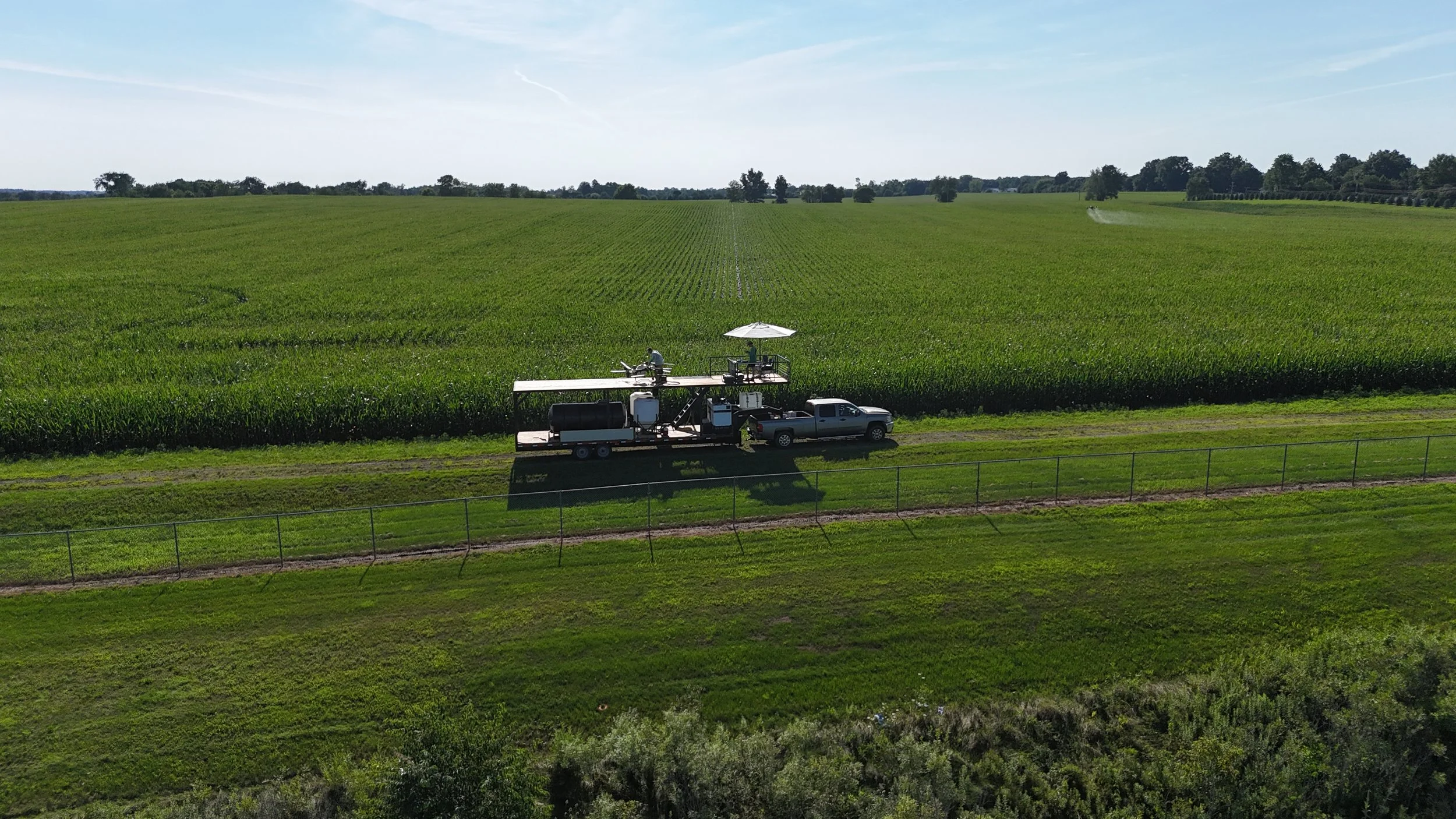
Many spray drone manufacturers advertise coverage rates that can exceed 60 acres per hour under ideal conditions. These numbers are typically calculated using perfect field layouts, no travel time, and continuous operation without interruptions.
In real-world conditions, spraying is rarely that simple. Fields may be scattered across multiple farms, weather conditions change throughout the day, and operators must stop regularly to refill tanks and change batteries.
Because of these factors, the actual acreage sprayed in a day depends more on the efficiency of the operation than the drone itself.
A Realistic Daily Acreage Range
For most operators using modern agricultural drones, a realistic expectation is somewhere between 200 and 400 acres per day per drone.
New operators often start closer to the lower end of that range while they learn how to manage mixing, battery changes, and flight planning efficiently. As experience grows and the ground setup improves, productivity increases significantly.
Experienced operators with efficient support systems and well-planned fields can occasionally exceed those numbers during ideal conditions, especially when spraying large contiguous fields.
Why Ground Setup Matters More Than the Drone
One of the biggest surprises for new operators is that the drone itself is rarely the bottleneck in daily productivity. The real limitation is usually what happens on the ground.
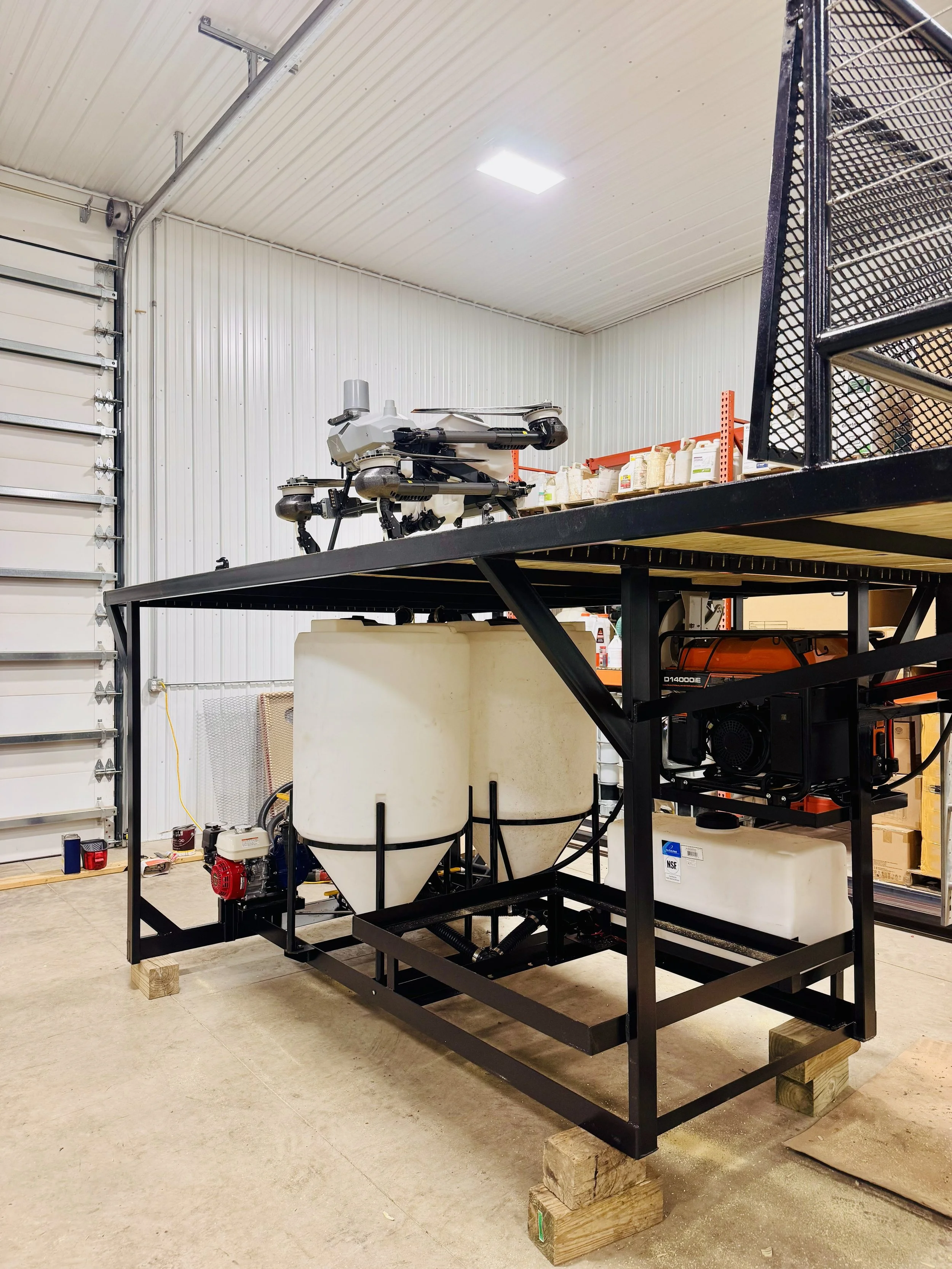
Every spray drone must return frequently to refill product and change batteries. If the mixing station is slow, poorly organized, or located far from the field, the drone spends more time waiting than spraying.
Efficient operations typically include well-designed trailer setups with water tanks, pumps, mixing systems, and charging stations all organized to minimize downtime. When the ground crew can refill the drone quickly, productivity increases dramatically.
Field Size and Location
Field layout also plays a major role in daily acreage totals. Large, open fields allow drones to operate continuously and efficiently, while small scattered fields require frequent travel and setup time.
For example, spraying several 80-acre fields located next to each other is much more efficient than spraying multiple small fields spread across different farms.
Travel time between locations, repositioning equipment, and loading product all reduce the amount of time the drone can actually spend spraying.
Weather and Crop Conditions
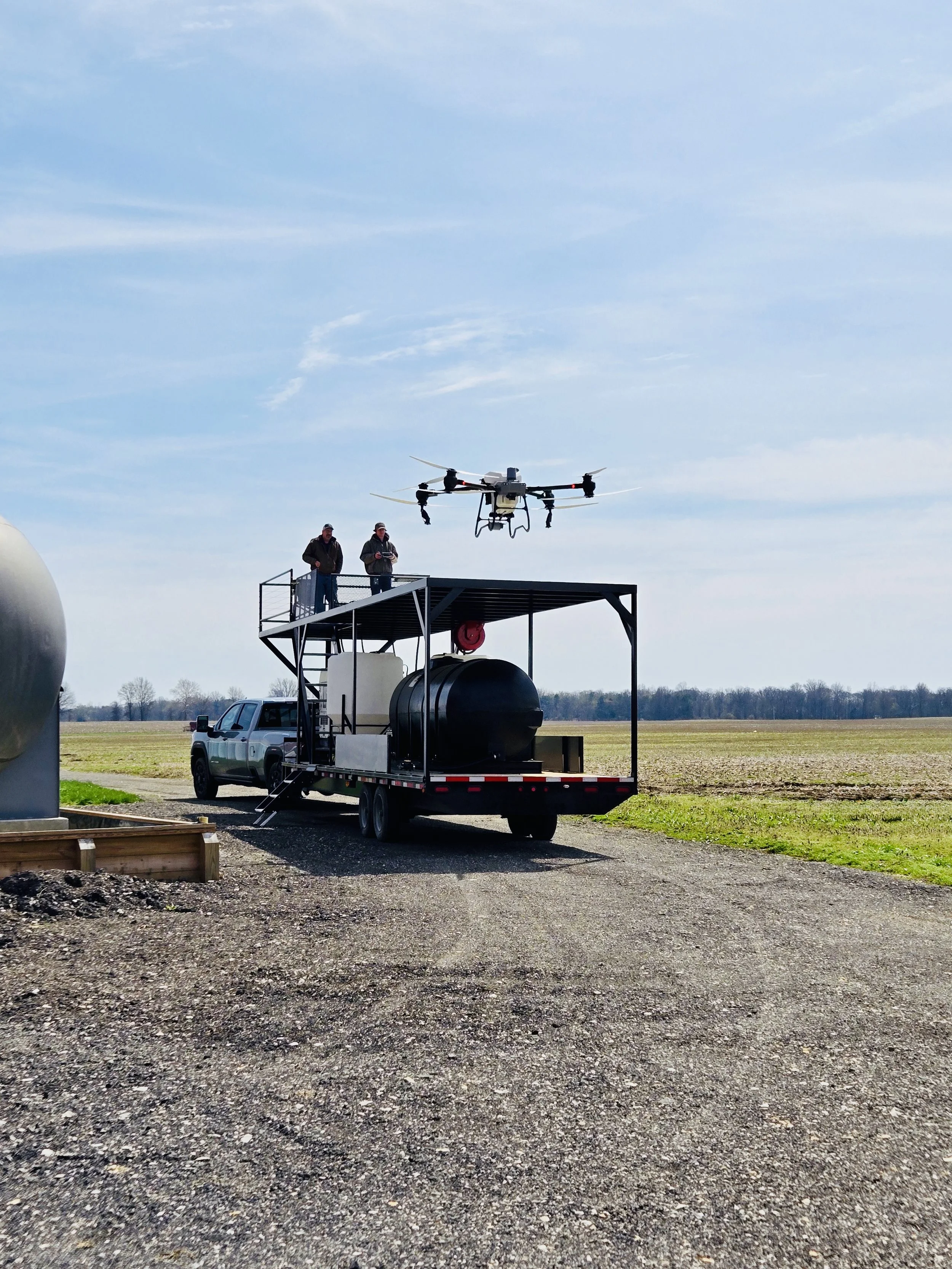
Weather conditions also influence how many acres can be sprayed in a day. Wind speed, temperature, and humidity all affect spraying decisions and may limit flight windows.
Crop height and canopy density can also slow down operations slightly, especially during late-season fungicide applications when crops are fully developed.
Experienced operators learn how to plan their day around weather conditions and field locations to maximize productivity.
Experience Makes a Big Difference
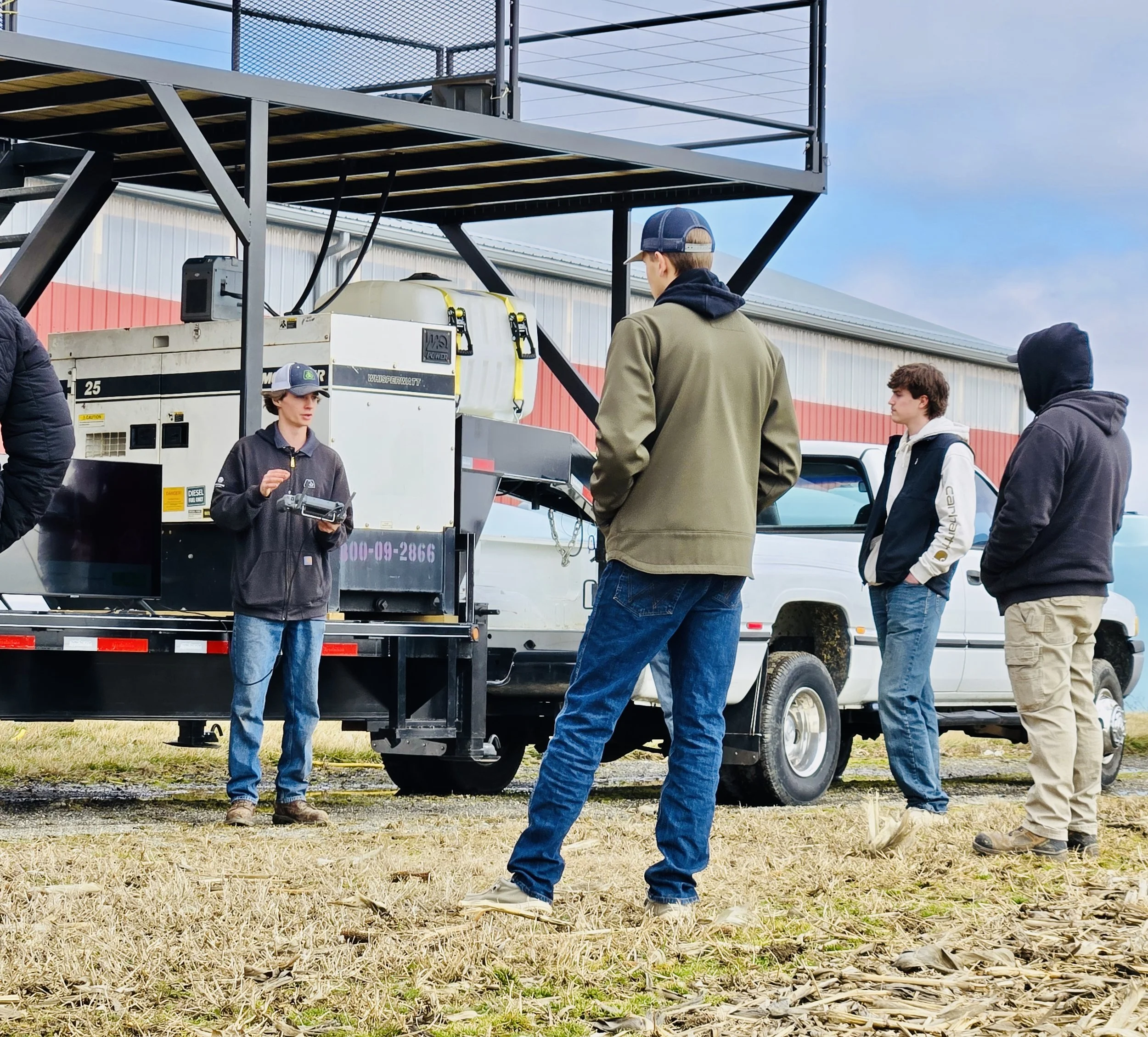
Like any agricultural equipment, efficiency improves quickly with experience. During the first few weeks of operation, most new drone applicators are still learning how to organize their equipment, mix product efficiently, and plan flight routes.
As operators gain experience, small improvements in workflow add up. Faster mixing, better trailer organization, and improved field planning can dramatically increase the number of acres sprayed each day.
Many operators find that by their second season, they are able to spray significantly more acreage than during their first few months.
The Bottom Line
Spray drones are capable of covering a significant amount of ground when operated efficiently, but real-world expectations are important.
For most operators, 100 to 300 acres per day per drone is a realistic range depending on experience, field conditions, and ground setup. Larger operations running multiple drones can scale their acreage much higher by operating several aircraft at the same time.
Understanding these numbers helps farmers and custom applicators determine whether drone technology fits their operation and how it could complement their existing equipment.
Interested in Starting a Spray Drone Operation?
If you're considering starting a spray drone business or incorporating drone spraying into your farm, the best way to learn is by seeing the equipment in action and talking with experienced operators.
Visit our Start Here page or attend one of our demo days to learn more about equipment options, startup requirements, and what it takes to build a successful spray drone operation.
