Top 10 Mistakes New Spray Drone Operators Make
Starting a spray drone business looks straightforward from the outside: buy a drone, spray acres, and get paid. In reality, most operators who struggle during their first season don’t fail because of the aircraft, but rather they struggle because they misunderstood what this business actually is.
A spray drone operation is not a regular drone business.
It is an ag service business built around timing, reliability, and trust.
Nearly every difficult first season can be traced back to a few predictable mistakes. Learning them before buying equipment can save you thousands of dollars and a lot of frustration.
1. Buying a Drone Before Having Work
This is the most common mistake we see.
Many new operators purchase equipment first and then begin looking for acres. Throughout the winter, neighbors often express interest, but when the season arrives nobody commits. By the time crops need sprayed, the operator owns a large investment but has very little work scheduled.
The better approach is to secure at least some committed acres before purchasing equipment. Even a few hundred acres gives you a realistic starting point and confidence heading into the season.
2. Underestimating How Important Relationships Are
Agriculture is still a relationship business and farmers talk with one another. A LOT. If you get a poor reputation, it is almost impossible to overcome that in the ag industry.
Growers are not choosing you because of the drone itself. They are choosing reliability, communication, and whether they trust you to show up when timing matters. Most farmers would rather hire someone dependable with average equipment than someone unpredictable with the newest technology.
Operators who succeed spend the winter talking with growers, stopping by farms, and staying in communication long before the first fungicide call comes in.
3. Not Having a Trailer and Mixing System Planned
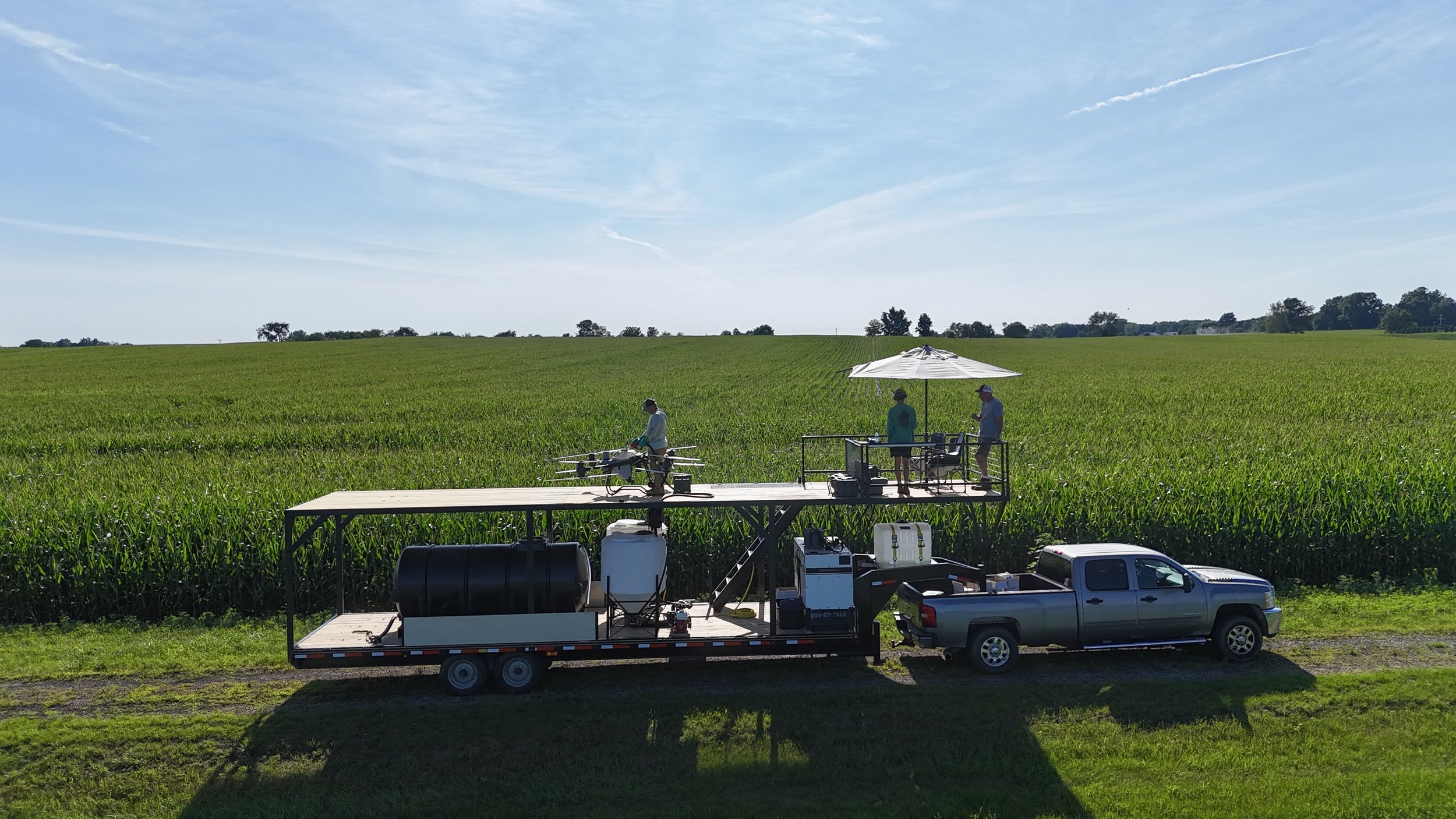
One of the biggest surprises for new operators is discovering that flying the drone is the easy part. Many first-year setups are temporary or homemade. The drone lands on the ground, tanks are filled by hand, dust blows into motors, and every refill takes several minutes longer than expected. The operator ends up working constantly but finishing far fewer acres than planned.
A spray drone operation is limited by turnaround time, not flight time.
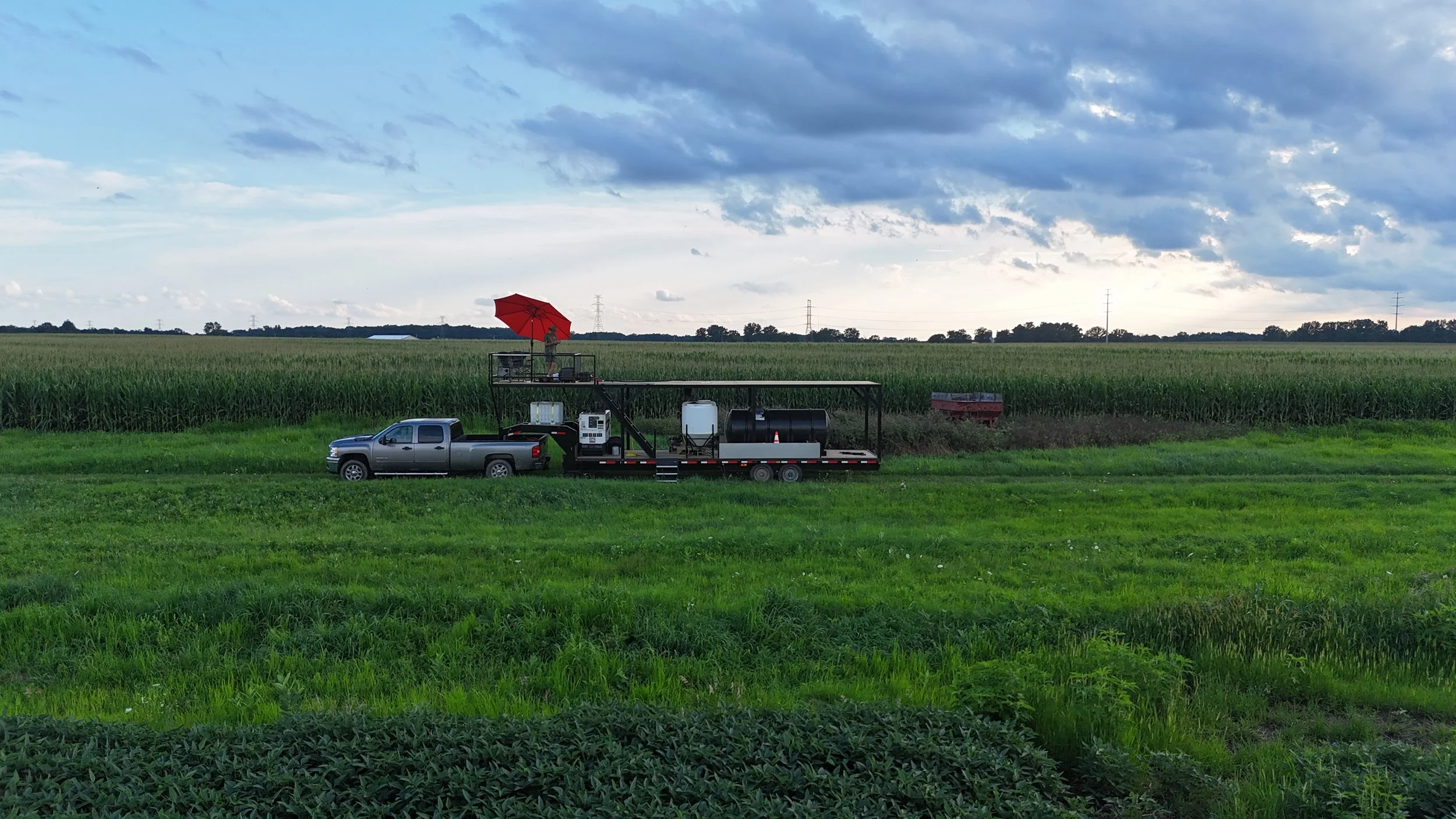
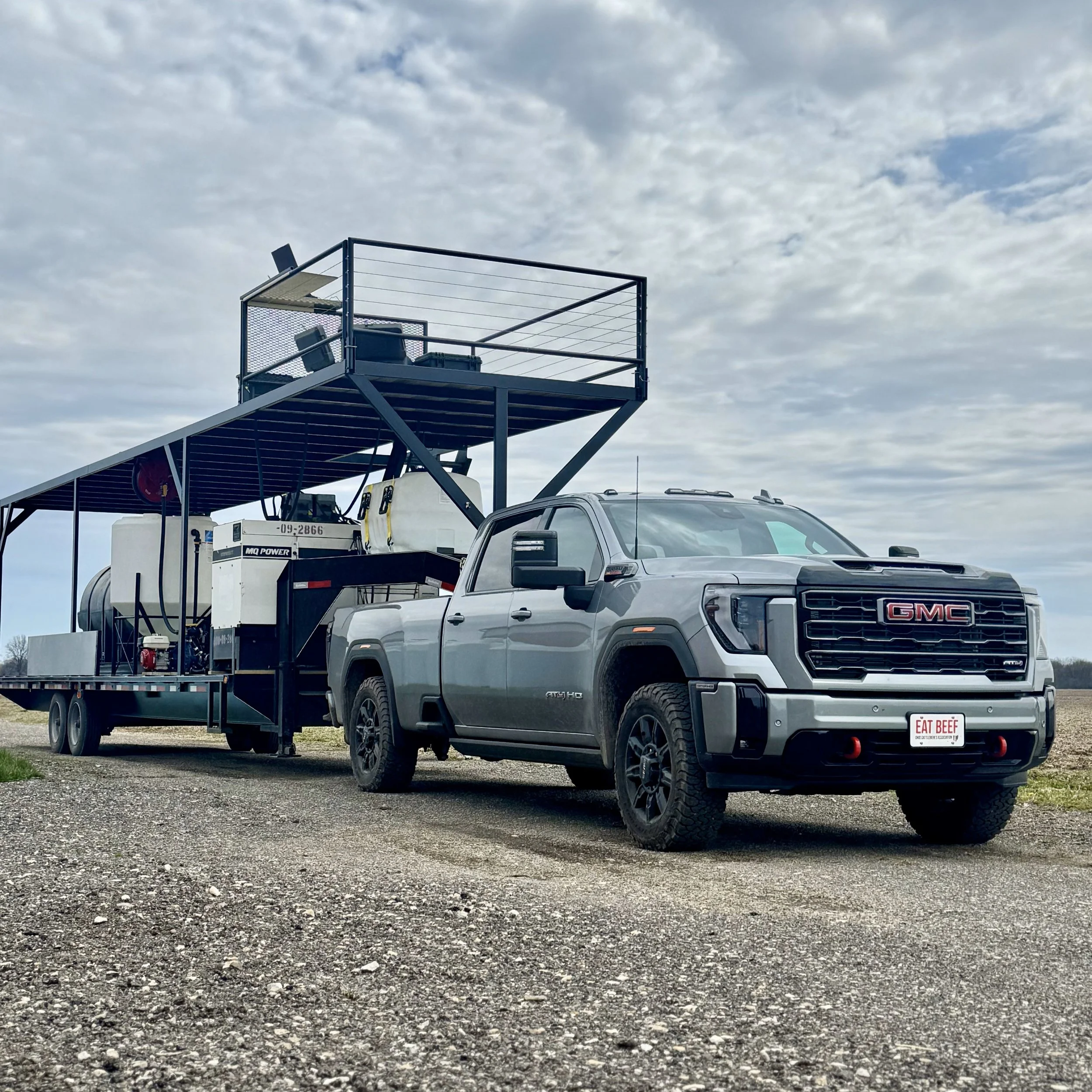
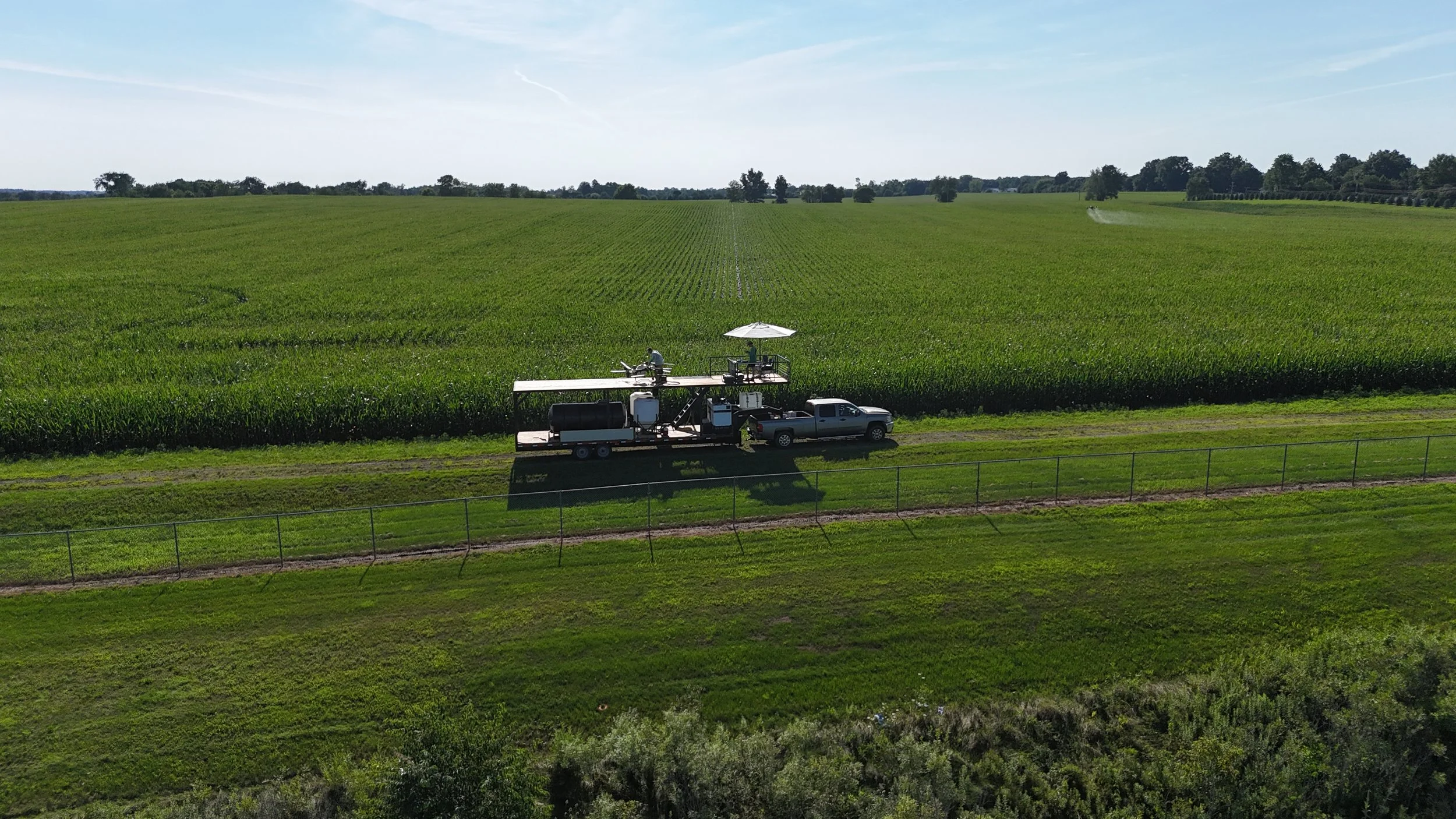
A well-designed setup focuses on speed and safety. A dedicated landing platform keeps debris out of the aircraft and creates a clear operating zone. An elevated pilot position helps visibility over tall crops. Proper plumbing allows tanks to be refilled quickly and consistently, often in under a minute and a half, while also preventing chemical contamination between loads.
Operators often discover that improving their setup increases productivity far more than upgrading to a larger drone. In real-world conditions, the ground system determines whether a day ends at 120 acres or well over 300.
4. Trying to Be the Cheapest Applicator
Lowering your price feels like an easy way to gain customers. In practice, it usually hurts you.
Low pricing signals uncertainty and inexperience. Farmers depend on application timing, and most are not willing to risk crop performance to save a few dollars per acre. The operators who grow their customer base do not compete on price, but rather they compete on availability and dependability.
Being the operator who answers the phone and shows up on time is far more valuable than being the lowest bid.
5. Expecting to Spray Huge Acres the First Year
Online videos make it appear that operators immediately spray massive acreage and pay off their entire investment in just a few weeks. That rarely happens.
Most first-year operators complete somewhere between 1,500 and 3,000 acres. The first season is largely spent learning logistics, scheduling, and communication. You are building a reputation more than maximizing acres.
Growth typically comes in the second and third seasons once farmers have seen your work and begin calling you back.
6. Not Understanding What the Farmer Is Actually Trying to Solve
New operators often spend a lot of time learning the aircraft but very little time learning the reason they are being called to the field.
A farmer is not requesting a drone application because they want to see the technology. They are calling because they have a problem such as disease pressure, resistant weeds, crop stress, or a narrow application window they cannot hit with their own equipment. When an operator cannot confidently discuss growth stage, weather timing, or why the application matters, confidence drops quickly. The farmer may still let you spray once, but repeat business becomes unlikely.
You do not need to be a full agronomist, but you do need to understand what the application is supposed to accomplish and when it actually helps the crop. Being able to explain why fungicide timing matters or why a late-season application is beneficial builds trust far faster than explaining drone specifications ever will.
The most successful operators quickly realize they are part of a crop management decision, not just an equipment operator. When growers trust your judgment, they call you back and they also recommend you to their neighbors.
7. Poor Scheduling and Overpromising
During fungicide timing, calls often arrive all at once. Many new operators accept every job without realizing how quickly travel time, mixing time, and battery logistics add up.
The result is missed expectations. Fields are sprayed later than promised and customers become frustrated.
Farmers understand waiting during busy seasons. What damages trust is poor communication. Successful operators learn to schedule realistically, prioritize fields, and keep growers informed.
Consistency matters more than speed.
8. Offering Only Fungicide Applications
Fungicide is important, but it is also seasonal and weather dependent. Operators who rely only on it often have inconsistent income from year to year.
Successful operations add other services throughout the season, including late-season weed control, cover crop seeding, field boundaries, waterways, and spot treatments. These jobs fill gaps in the schedule and create additional contact with customers.
More services lead to more consistent work.
9. Not Connecting With Other Applicators
Many new operators view other drone applicators as competition. In reality, cooperation helps everyone.
Peak demand often exceeds what a single operator can handle. Weather compresses spray windows and multiple fields may need attention at the same time. Operators who communicate with others are able to share work, cover emergencies, and avoid turning customers away.
Networking usually increases acres sprayed, not decreases them.
10. Choosing a Dealer Based on Online Presence Instead of Support
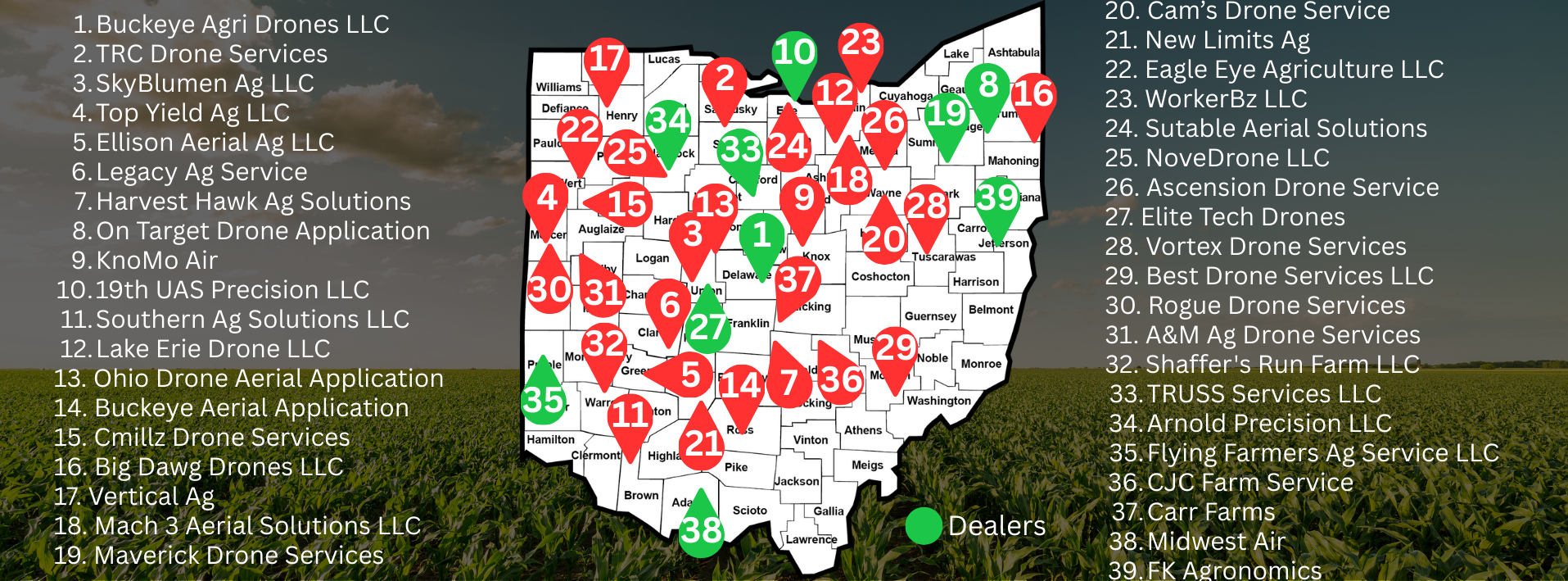
New operators often choose a dealer based on who appears most visible online, especially whoever makes the most YouTube content. That seems reasonable until peak season.
When equipment needs troubleshooting in the middle of a spray window, what matters most is quick help and available parts. At that point, proximity and experience are far more valuable than social media presence. In practice, local support is usually the most important factor. A nearby dealer who understands your crops, timing, and conditions and answers the phone can save an entire season.
When crops are ready and your equipment stops, support matters more than marketing.
Bonus: Not having an umbrella in late July! You HAVE to have some way of getting out of that miserable, late summer sun.
Final Thoughts
A spray drone business can absolutely be profitable, but it is not passive income and it is not just about technology.
It is a reliability business built around service and timing. The operators who succeed are the ones who treat it like a professional application operation first and a drone operation second.
The drone is simply the tool that allows the job to be done better. If you avoid these early mistakes, your first season becomes a foundation you can grow from instead of a year you are trying to recover from.
