Spray drones are no longer experimental technology. Across Ohio and the Midwest, they are being used every day to protect yields, improve application timing, and create new income streams. One of the most common questions we hear is:
“Does a spray drone actually pay for itself?”
The short answer: Yes, it can and often does when used correctly. Below is a realistic, conservative ROI breakdown for both farmers spraying their own acres and custom applicators starting or growing a spray drone business.
Spray Drone ROI for Farmers (500-Acre Example)
Startup Costs (One-Time Investment)
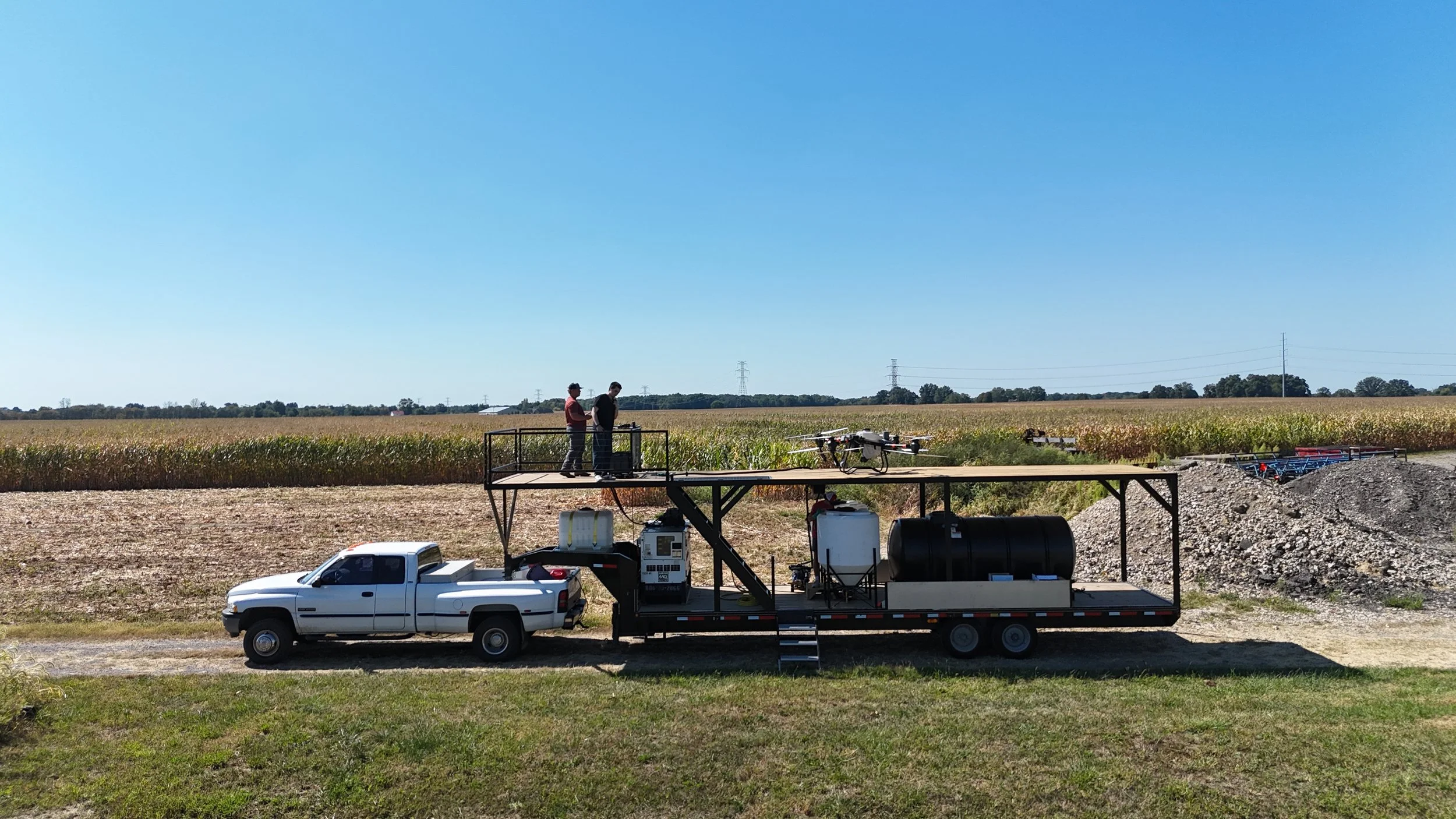
For a smaller-capacity spray drone such as the DJI T50 (10.5-gallon tank) or Talos T60X (13.6-gallon tank):
Spray drone purchase: $25,000–$30,000
Regulatory assistance and compliance setup: $2,000–$4,000
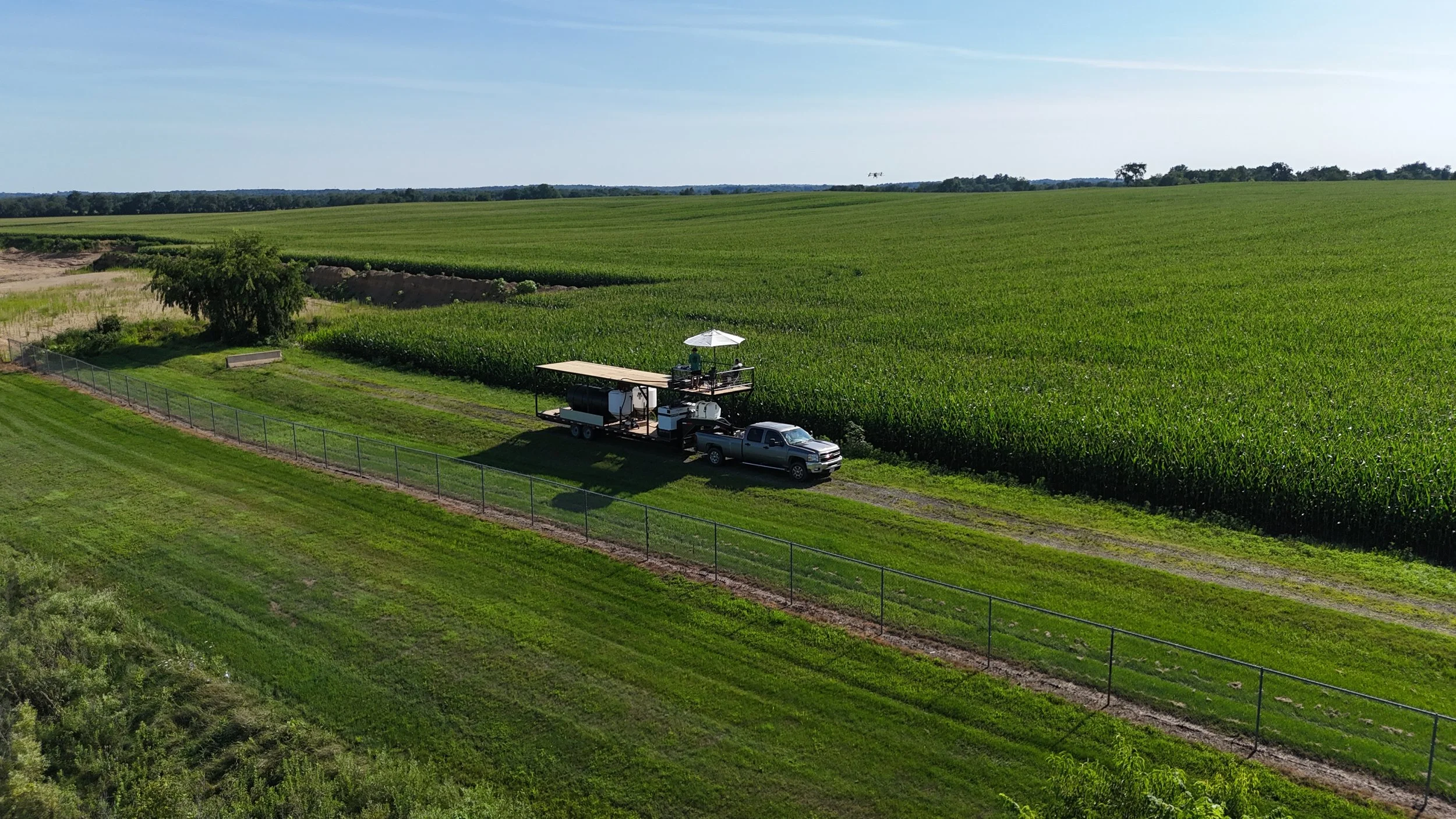
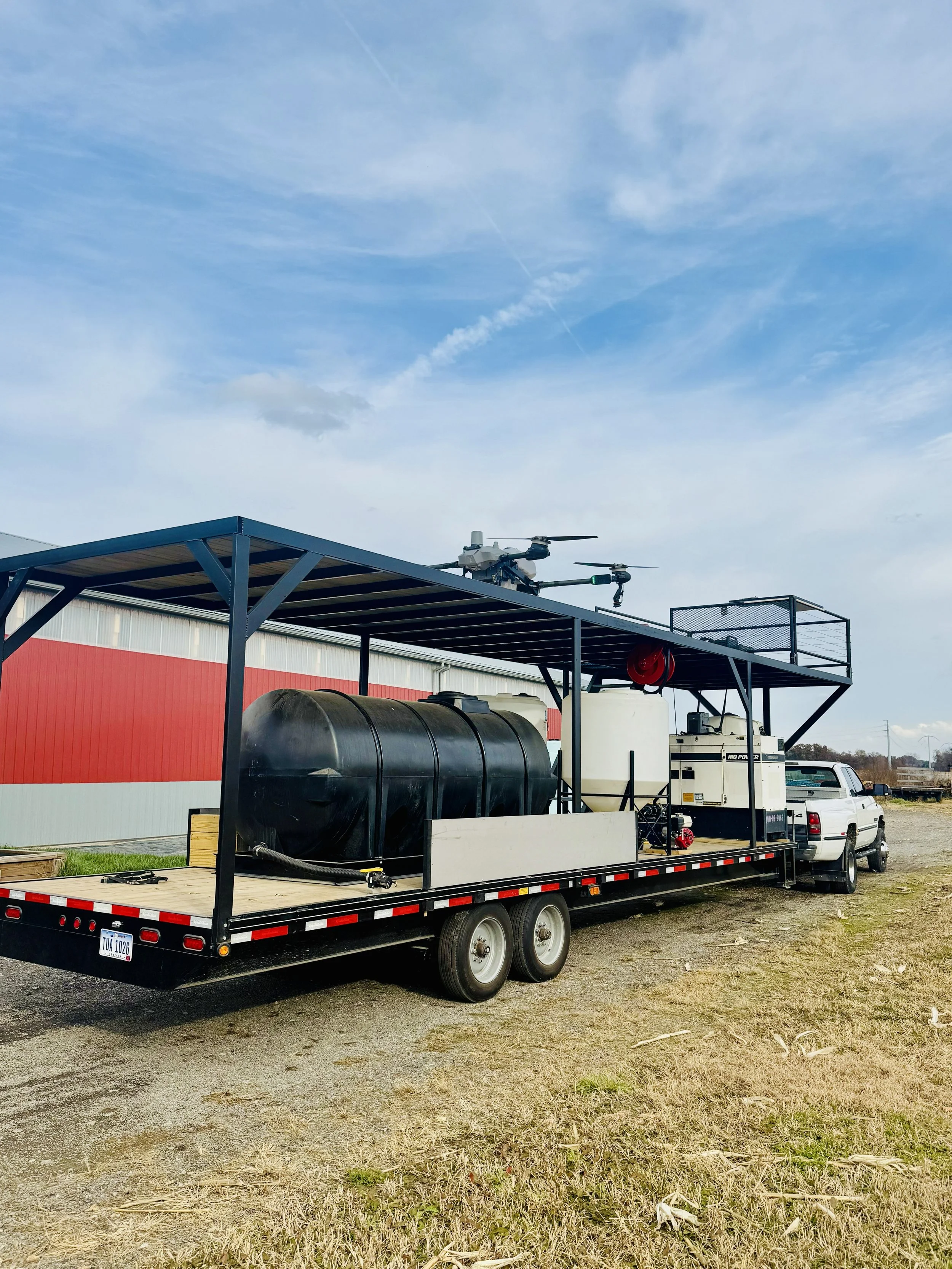
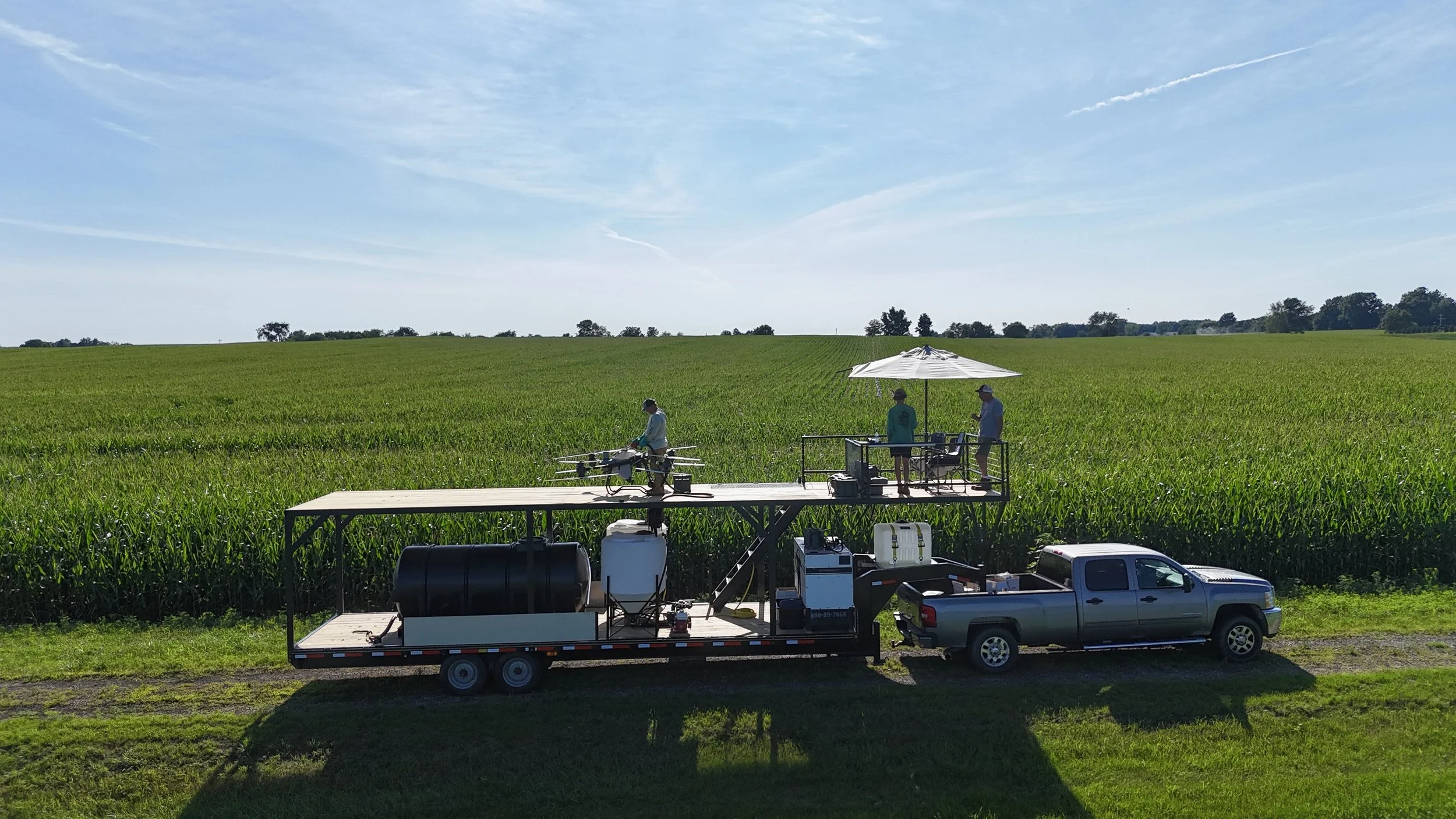
Trailer, tanks, pumps, and mixing equipment:
Costs vary widely
We typically recommend budgeting at least $10,000 for a complete spray drone setup, though some farmers use existing equipment for much less
Estimated total startup cost: $35,000–$50,000 per drone
Annual Operating Costs
Estimated yearly expenses including insurance, routine maintenance, fuel, and wear items:
$5,000 per year
Fungicide Application ROI Breakdown
Chemical Cost
Basic Fungicide cost: $15 per acre
500 acres × $15 = $7,500
Yield Gain
Yield response varies based on location, disease pressure, weather, and timing. Typical gains range from 10–40 bushels per acre. For this example, we use the low end:
10 bushels gained per acre
500 acres × 10 bushels = 5,000 additional bushels
Gross Revenue from Yield Gain
Corn price used: $4.50 per bushel
5,000 bushels × $4.50 = $22,500
Net Profit (Annual)
Gross revenue: $22,500
Fungicide cost: –$7,500
Annual operating costs: –$5,000
Net annual profit: ~$10,000
Five-Year Outcome (Farmer-Owned Drone)
$10,000 per year × 5 years = $50,000
While this may seem modest at first glance, this example is intentionally conservative and based on only 500 acres and one application type.
What Improves Farmer ROI
More Acres – Doubling or tripling acreage dramatically shortens payback time.
More Applications – Fungicide is just one-use case. Drones are also used for:
Late-season spot or see-and-spray herbicide work (e.g., giant ragweed)
Waterway and sensitive area management
Cover crop seeding
Foliar or granular fertilizer applications
Field boundary spraying to reduce weed seed banks
Higher Disease Pressure Years – In seasons with heavy disease pressure (such as tar spot), it is realistic to see 20–40 bushel gains, accelerating ROI significantly.
For many farms, the largest return comes from not missing the application window.
Spray Drone ROI for Custom Applicators
This example looks at a one-person, one-drone custom application business just getting started.
Startup Costs
Startup costs are the same as a farmer-owned drone:
$35,000–$50,000 per drone
Annual Operating Costs
$5,000 per year
Custom Application Revenue Breakdown
Application Rate & Pricing
Application rate: 2 gallons per acre
Custom application price: $15 per acre
Acres Sprayed Per Season
For a new operator with 1 drone:
Typical first-year range: 1,500–3,000 acres
Conservative midpoint used: 2,000 acres
Gross Revenue
2,000 acres × $15 per acre = $30,000
Net Income (Year One)
Gross revenue: $30,000
Annual operating costs: –$5,000
Net income after one season: $25,000
Scaling and Profitability
This example reflects:
One drone
One operator
One service type
In reality, profitability improves quickly by:
Increasing acres as customer demand grows
Offering additional services such as insecticide, herbicide, cover crop seeding, and fertilizer applications
Operating during tight application windows where timeliness commands premium pricing
Many custom applicators are able to break even or turn a profit within their first season, especially when demand is strong.
Key Factors That Drive Spray Drone ROI
Whether you are a farmer or a custom applicator, ROI depends heavily on:
Training and operational efficiency
Equipment reliability and support
Application timing and weather windows
Regulatory compliance and planning
Owning the right drone matters but knowing how to deploy it effectively is what determines success.
Bottom Line
Spray drones can deliver real, measurable ROI for both farmers and custom applicators. When viewed as a multi-year, multi-purpose tool, they are often far more than a single-use investment.
If you’re considering a spray drone and want to understand what ROI looks like for your specific operation, acreage, or goals, Buckeye Agri Drones can help you evaluate your options with real-world insight. As farmers and custom applicators ourselves, we know how to judge if spray drones are right for your operation.
Contact us to start the conversation.